

What I record for every reload
A useful load record should answer what changed, what stayed the same, and which component lots were actually on the bench.
Read article
ReloadMastery field notes
Clear workflows, honest data, and product decisions explained without filler.
A useful load record should answer what changed, what stayed the same, and which component lots were actually on the bench.
Read article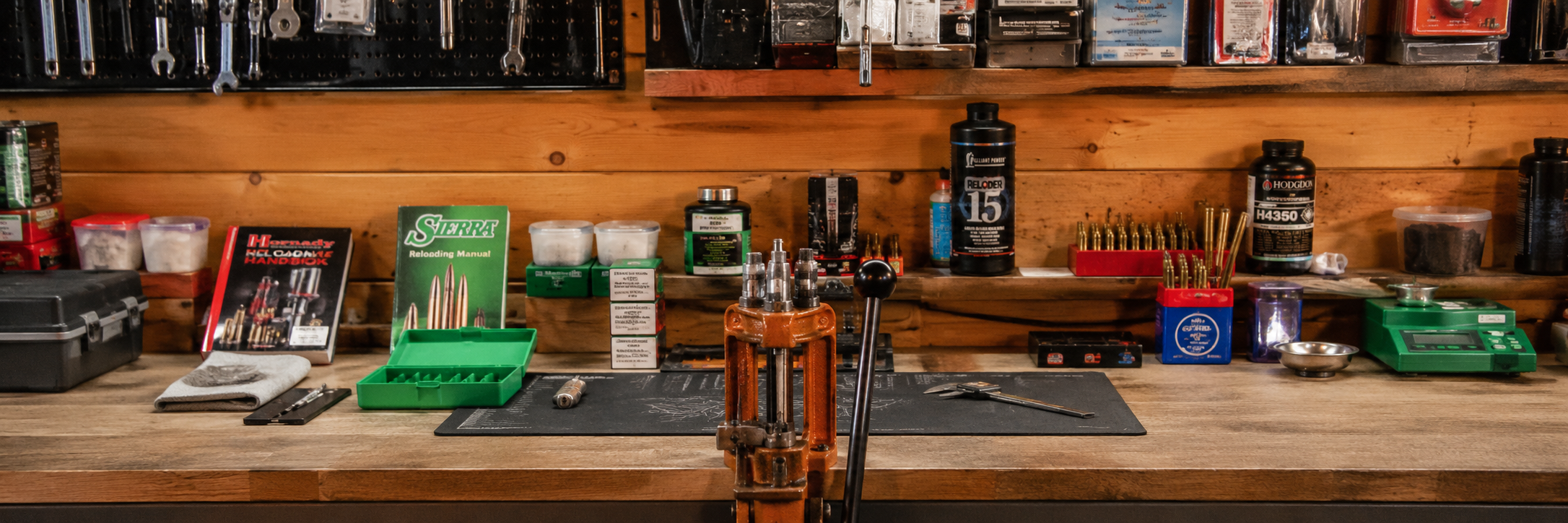
A repeatable case-prep record makes it easier to spot the measurement that changed before it becomes a mystery at the range.
Read article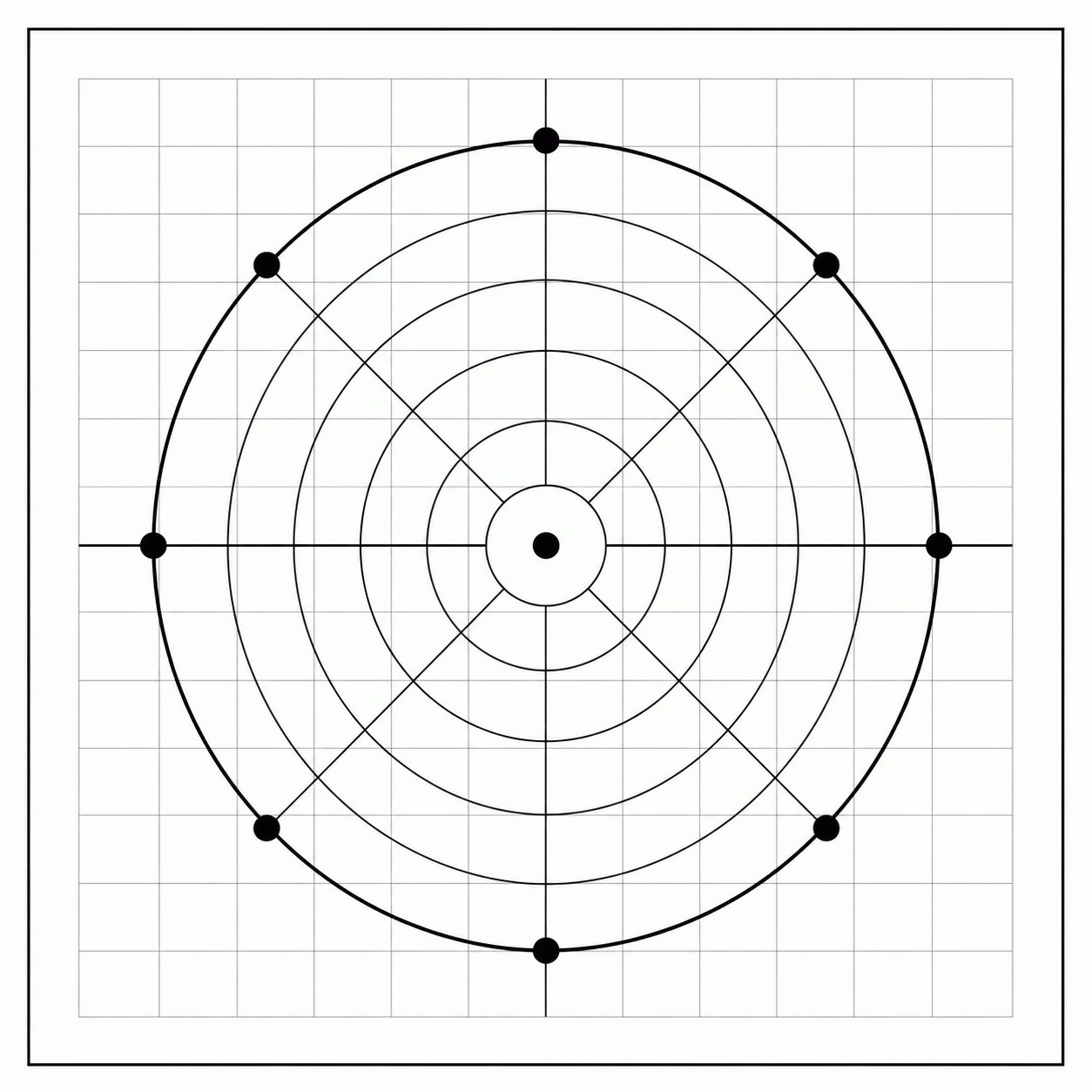
A smaller group is an observation. A useful conclusion needs scale, shot count, target condition, and a repeatable comparison.
Read article
A new lot is a new input. The useful response is a clear record and a controlled check, not an assumption that the old result carries over.
Read article
The easiest time to fix bad range data is before the first string. Use a short, repeatable setup and debrief.
Read article
A range card is most useful when each value points back to the exact setup and conditions that produced it.
Read article
Extreme spread and standard deviation only mean something when the underlying string is complete, labeled, and honestly reviewed.
Read article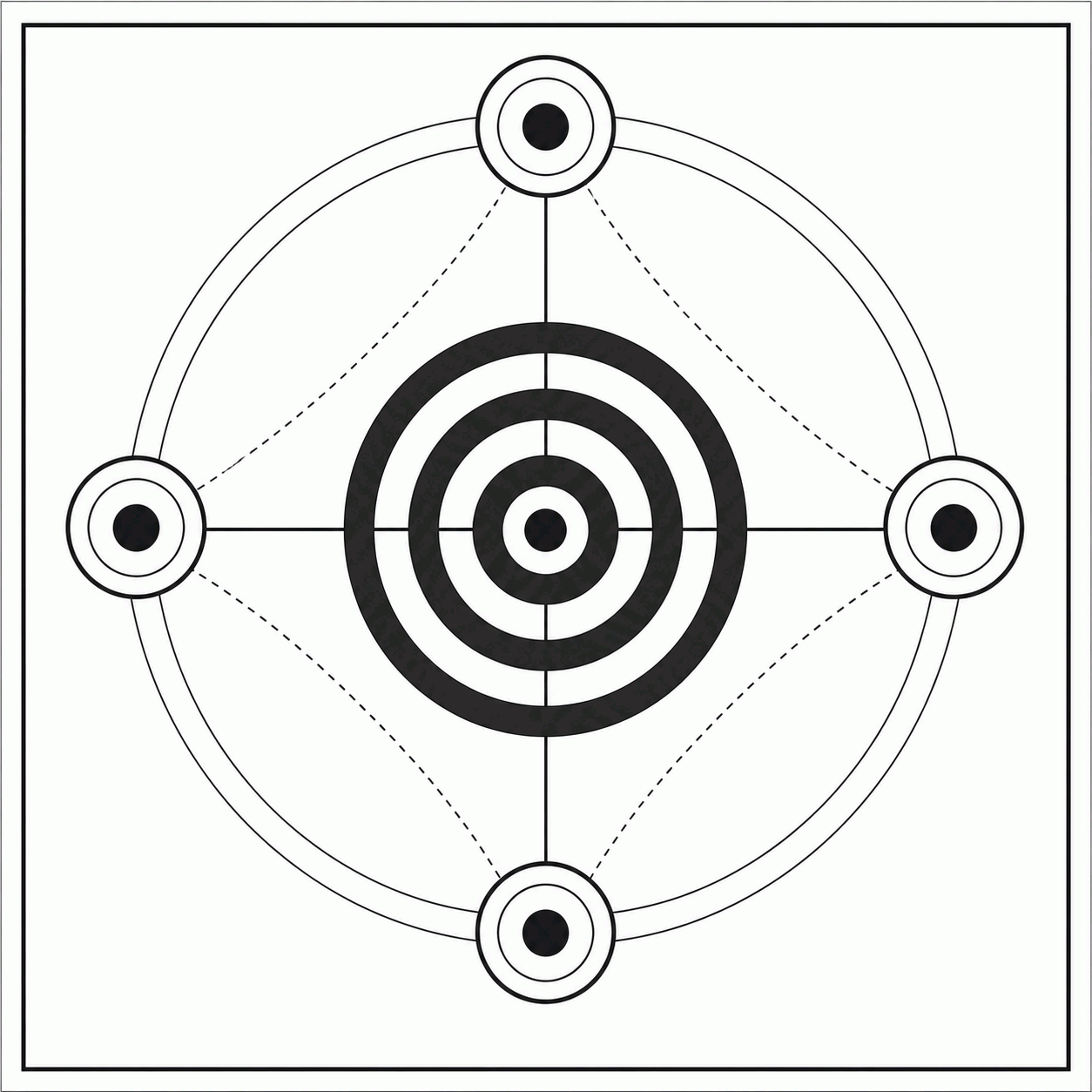
ReloadMastery is designed to keep a practical measurement, its source, and the follow-up decision close together without turning a range day into paperwork.
Read article
A square, well-lit image with a known scale gives automatic detection and manual measurement the best chance to agree.
Read article
Install the app, open it once while signed in, and your working records remain available when the connection disappears.
Read article
A test is only useful when the result can be tied back to a controlled difference.
Read article
A feature is not finished because it works once. It has to survive mobile layouts, offline use, bad input, retries, and real workflows.
Read articleNo articles match those filters.